
IMFINZI + EP was approved with the option of either carboplatin or cisplatin1,2
For patients with a body weight of ≥30 kg
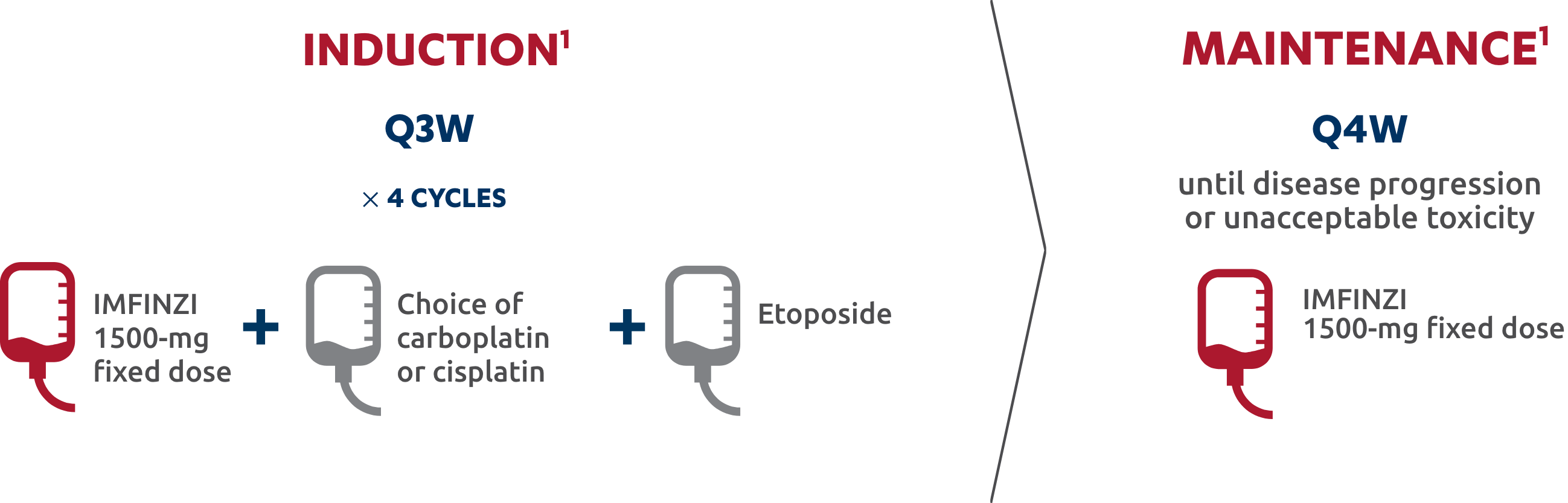
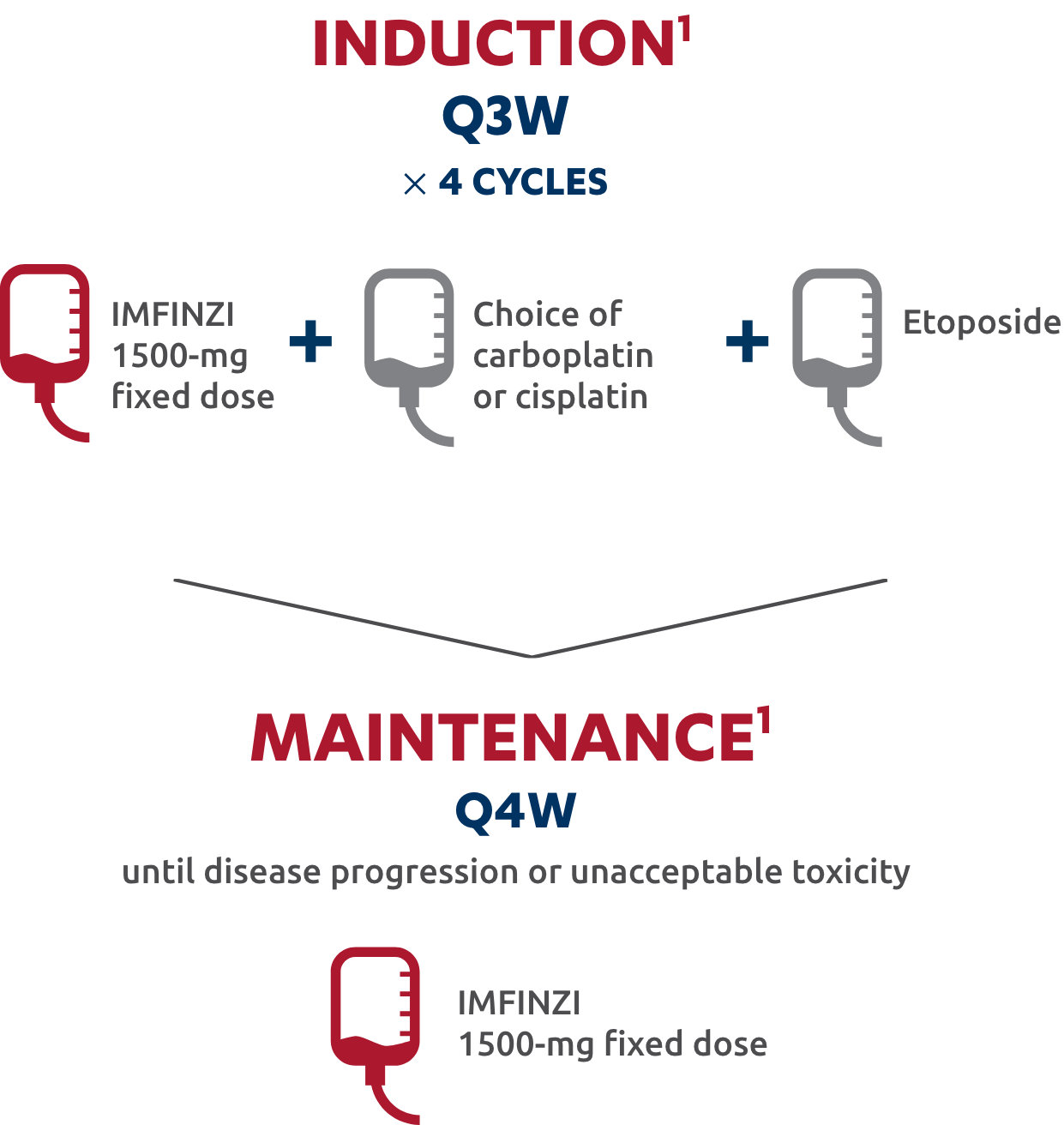
Patients with a body weight of <30 kg must receive weight-based dosing, equivalent to IMFINZI 20 mg/kg in combination with chemotherapy every 3 weeks (21 days) for 4 cycles, followed by 10 mg/kg every 2 weeks as a single agent. EP consists of etoposide 80 mg/m2 to 100 mg/m2 with either carboplatin AUC 5 mg/mL/min or 6 mg/mL/min or cisplatin 75 mg/m2 to 80 mg/m2. For more information, please refer to the Prescribing Information for each treatment.
- IMFINZI is administered as a 60-minute intravenous infusion1
- No premedication is required for IMFINZI treatment
- Administer IMFINZI prior to chemotherapy on the same day1
- Administer IMFINZI + EP Q3W for 4 cycles followed by Q4W IMFINZI maintenance1
The only IO combination for first-line ES-SCLC with the option of either carboplatin or cisplatin in chemotherapy1,3
1L=first line; AUC=area under the curve; EP=etoposide and either carboplatin or cisplatin; ES-SCLC=extensive-stage small cell lung cancer; IO=immuno-oncology; Q3W=every 3 weeks; Q4W=every 4 weeks.
Please see Prescribing Information for dosage modification and management specific to adverse reactions.
Treatment modifications for IMFINZI: General guidance1
- No dose reduction of IMFINZI is recommended
- Withhold IMFINZI for severe (Grade 3) imARs
- If IMFINZI requires interruption or permanent discontinuation, administer systemic corticosteroid therapy (1 mg to 2 mg/kg/day prednisone or equivalent) until improvement to Grade ≤1. After improvement to Grade ≤1, initiate corticosteroid taper and continue to taper over at least 1 month
- Resume IMFINZI in patients with complete or partial resolution (Grade 0 to 1) after corticosteroid taper
- Permanently discontinue IMFINZI for recurrent severe (Grade 3) imARs that require systemic immunosuppressive treatment, if no complete or partial resolution within 12 weeks of initiating corticosteroids, or an inability to reduce corticosteroid dose to ≤10 mg prednisone or equivalent per day within 12 weeks of initiating corticosteroids
- Permanently discontinue IMFINZI for life-threatening (Grade 4) imARs
No dose reduction of IMFINZI is recommended. Withholding or permanently discontinuing IMFINZI due to adverse reactions may be required
SWIPE FOR MORE
SWIPE FOR MORE
Adverse reaction
Immune-mediated adverse reactions
Pneumonitis
Colitis
Intestinal perforation
Hepatitis with no
tumor involvement
of the liver
Hepatitis with
tumor involvement
of the liver‡
Endocrinopathies
Nephritis with
renal dysfunction
Exfoliative
dermatologic
conditions
Myocarditis
Neurological
toxicities
Other adverse reactions
Infusion-related
reactions
Severity*
Grade 2
Grade 3 or 4
Grade 2 or 3
Grade 4
Any grade
AST or ALT increases to >3 and up to 8 × ULN
or
total bilirubin increases to >1.5 and up to 3 × ULN
AST or ALT increases to >8 × ULN
or
total bilirubin increases to >3 × ULN
AST or ALT is >1 and up to 3 × ULN at baseline and increases to >5 and up to 10 × ULN
or
AST or ALT is >3 and up to 5 × ULN at baseline and increases to >8 and up to 10 × ULN
AST or ALT increases to >10 × ULN
or
total bilirubin increases to >3 × ULN
Grade 3 or 4
Grade 2 or 3 increased blood creatinine
Grade 4 increased blood creatinine
Suspected SJS, TEN, or DRESS
Confirmed SJS, TEN, or DRESS
Grade 2, 3, or 4
Grade 2
Grade 3 or 4
Grade 1 or 2
Grade 3 or 4
Treatment modification
Withhold†
Permanently discontinue
Withhold†
Permanently discontinue
Permanently discontinue
Withhold†
Permanently discontinue
Withhold†
Permanently discontinue
Withhold until clinically stable or permanently discontinue depending on severity
Withhold†
Permanently discontinue
Withhold†
Permanently discontinue
Permanently discontinue
Withhold†
Permanently discontinue
Interrupt or slow the rate of infusion
Permanently discontinue
| Adverse reaction | Severity* | Treatment modification |
|---|---|---|
| Immune-mediated adverse reactions | ||
| Pneumonitis | Grade 2 | Withhold† |
| Grade 3 or 4 | Permanently discontinue | |
| Colitis | Grade 2 or 3 | Withhold† |
| Grade 4 | Permanently discontinue | |
| Intestinal perforation | Any grade | Permanently discontinue |
| Hepatitis with no tumor involvement of the liver |
AST or ALT increases to >3 and up to 8 × ULN or total bilirubin increases to >1.5 and up to 3 × ULN |
Withhold† |
| AST or ALT increases to >8 × ULN or total bilirubin increases to >3 × ULN |
Permanently discontinue | |
| Hepatitis with tumor involvement of the liver‡ |
AST or ALT is >1 and up to 3 × ULN at baseline and increases to >5 and up to 10 × ULN or AST or ALT is >3 and up to 5 × ULN at baseline and increases to >8 and up to 10 × ULN |
Withhold† |
| AST or ALT increases to >10 × ULN or total bilirubin increases to >3 × ULN |
Permanently discontinue | |
| Endocrinopathies | Grade 3 or 4 | Withhold until clinically stable or permanently discontinue depending on severity |
| Nephritis with renal dysfunction |
Grade 2 or 3 increased blood creatinine | Withhold† |
| Grade 4 increased blood creatinine | Permanently discontinue | |
| Exfoliative dermatologic conditions |
Suspected SJS, TEN, or DRESS | Withhold† |
| Confirmed SJS, TEN, or DRESS | Permanently discontinue | |
| Myocarditis | Grade 2, 3, or 4 | Permanently discontinue |
| Neurological toxicities |
Grade 2 | Withhold† |
| Grade 3 or 4 | Permanently discontinue | |
| Other adverse reactions | ||
| Infusion-related reactions |
Grade 1 or 2 | Interrupt or slow the rate of infusion |
| Grade 3 or 4 | Permanently discontinue |
Prescribing Information has additional information for dosage modification and management specific to adverse reactions.
ALT=alanine aminotransferase; AST=aspartate aminotransferase; DRESS=Drug Rash with Eosinophilia and Systemic Symptoms; imARs=immune-mediated adverse reactions; SJS=Stevens-Johnson Syndrome; TEN=toxic epidermal necrolysis; ULN=upper limit of normal.
*Based on National Cancer Institute Common Terminology Criteria for Adverse Events, version 4.03.
†Resume in patients with complete or partial resolution (Grade 0 to 1) after corticosteroid taper. Permanently discontinue if no complete or partial resolution within 12 weeks of initiating corticosteroids or an inability to reduce corticosteroid dose to 10 mg of prednisone or less per day (or equivalent) within 12 weeks of initiating corticosteroids.
‡If AST and ALT are less than or equal to ULN at baseline in patients with liver involvement, withhold or permanently discontinue IMFINZI based on recommendations for hepatitis with no liver involvement.
Preparation1


- Discard partially used or empty vials of IMFINZI
Storage of infusion solution1
IMFINZI does not contain a preservative.
Administer infusion solution immediately once prepared. If the infusion solution is not administered immediately and needs to be stored, the time from preparation should not exceed:

- 28 days in a refrigerator at 2°C to 8°C (36°F to 46°F)

- 8 hours at room temperature up to 25°C (77°F)
Additionally:

- Do not freeze

- Do not shake
Administration1

- Administer infusion solution intravenously over 60 minutes through an IV line containing a sterile, low-protein binding 0.2 or 0.22 micron in-line filter

- Do not co-administer other drugs through the same infusion line
Dosage forms and strengths1

- Injection: 120 mg/2.4 mL (50 mg/mL) and 500 mg/10 mL (50 mg/mL) clear to opalescent, colorless to slightly yellow solution in a single-dose vial
IV=intravenous.
+SEE FULL INDICATIONS
Severe and Fatal Immune-Mediated
SEE FULL INDICATIONS
IMFINZI, as a single agent, is indicated for the treatment of adult patients with unresectable Stage III non-small cell lung cancer (NSCLC) whose disease has not progressed following concurrent platinum-based chemotherapy and radiation therapy.
IMFINZI in combination with platinum-containing chemotherapy as neoadjuvant treatment, followed by IMFINZI continued as a single agent as adjuvant treatment after surgery, is indicated for the treatment of adult patients with resectable (tumors ≥4 cm and/or node positive) NSCLC and no known epidermal growth factor receptor (EGFR) mutations or anaplastic lymphoma kinase (ALK) rearrangements.
IMFINZI, in combination with IMJUDO and platinum-based chemotherapy, is indicated for the treatment of adult patients with metastatic NSCLC with no sensitizing EGFR mutations or ALK genomic tumor aberrations.
IMFINZI, in combination with etoposide and either carboplatin or cisplatin, is indicated for the first-line treatment of adult patients with extensive-stage small cell lung cancer (ES-SCLC).
IMFINZI, in combination with gemcitabine and cisplatin, is indicated for the treatment of adult patients with locally advanced or metastatic biliary tract cancer (BTC).
IMFINZI in combination with IMJUDO is indicated for the treatment of adult patients with unresectable hepatocellular carcinoma (uHCC).
IMFINZI in combination with carboplatin and paclitaxel followed by IMFINZI as a single agent is indicated for the treatment of adult patients with primary advanced or recurrent endometrial cancer that is mismatch repair deficient (dMMR).
IMPORTANT SAFETY INFORMATION
There are no contraindications for IMFINZI® (durvalumab) or IMJUDO® (tremelimumab-actl).
Severe and Fatal Immune-Mediated
Adverse Reactions
Indications:
IMFINZI, as a single agent, is indicated for the treatment of adult patients with unresectable Stage III non-small cell lung cancer (NSCLC) whose disease has not progressed following concurrent platinum-based chemotherapy and radiation therapy.
IMPORTANT SAFETY INFORMATION
There are no contraindications for IMFINZI® (durvalumab) or IMJUDO® (tremelimumab-actl).
Severe and Fatal Immune-Mediated
Adverse Reactions
Important immune-mediated adverse reactions listed under Warnings and Precautions may not include all possible severe and fatal immune-mediated reactions. Immune-mediated adverse reactions, which may be severe or fatal, can occur in any organ system or tissue. Immune-mediated adverse reactions can occur at any time after starting treatment or after discontinuation. Monitor patients closely for symptoms and signs that may be clinical manifestations of underlying immune-mediated adverse reactions. Evaluate clinical chemistries including liver enzymes, creatinine, adrenocorticotropic hormone (ACTH) level, and thyroid function at baseline and before each dose. In cases of suspected immune-mediated adverse reactions, initiate appropriate workup to exclude alternative etiologies, including infection. Institute medical management promptly, including specialty consultation as appropriate. Withhold or permanently discontinue IMFINZI and IMJUDO depending on severity. See USPI Dosing and Administration for specific details. In general, if IMFINZI and IMJUDO requires interruption or discontinuation, administer systemic corticosteroid therapy (1 mg to 2 mg/kg/day prednisone or equivalent) until improvement to Grade 1 or less. Upon improvement to Grade 1 or less, initiate corticosteroid taper and continue to taper over at least 1 month. Consider administration of other systemic immunosuppressants in patients whose immune-mediated adverse reactions are not controlled with corticosteroid therapy.
Indications:
IMFINZI, as a single agent, is indicated for the treatment of adult patients with unresectable Stage III non-small cell lung cancer (NSCLC) whose disease has not progressed following concurrent platinum-based chemotherapy and radiation therapy (cCRT).
IMFINZI in combination with platinum-containing chemotherapy as neoadjuvant treatment, followed by IMFINZI continued as a single agent as adjuvant treatment after surgery, is indicated for the treatment of adult patients with resectable (tumors ≥4 cm and/or node positive) NSCLC and no known epidermal growth factor receptor (EGFR) mutations or anaplastic lymphoma kinase (ALK) rearrangements.
IMFINZI, in combination with IMJUDO and platinum-based chemotherapy, is indicated for the treatment of adult patients with metastatic NSCLC with no sensitizing EGFR mutations or ALK genomic tumor aberrations.
IMFINZI, as a single agent, is indicated for the treatment of adult patients with limited-stage small cell lung cancer (LS-SCLC) whose disease has not progressed following concurrent platinum-based chemotherapy and radiation therapy (cCRT).
IMFINZI, in combination with etoposide and either carboplatin or cisplatin, is indicated for the first-line treatment of adult patients with extensive-stage small cell lung cancer (ES-SCLC).
IMFINZI, in combination with gemcitabine and cisplatin, is indicated for the treatment of adult patients with locally advanced or metastatic biliary tract cancer (BTC).
IMFINZI in combination with IMJUDO is indicated for the treatment of adult patients with unresectable hepatocellular carcinoma (uHCC).
IMFINZI in combination with carboplatin and paclitaxel followed by IMFINZI as a single agent is indicated for the treatment of adult patients with primary advanced or recurrent endometrial cancer that is mismatch repair deficient (dMMR) as determined by an FDA-authorized test.
IMFINZI in combination with Bacillus Calmette-Guérin (BCG) is indicated for the treatment of adult patients with BCG-naive, high-risk non-muscle-invasive bladder cancer (NMIBC).
IMFINZI in combination with gemcitabine and cisplatin as neoadjuvant treatment, followed by single agent IMFINZI as adjuvant treatment following radical cystectomy, is indicated for the treatment of adult patients with muscle-invasive bladder cancer (MIBC).
IMFINZI in combination with fluorouracil, leucovorin, oxaliplatin and docetaxel (FLOT) as neoadjuvant and adjuvant treatment, followed by single agent IMFINZI, is indicated for the treatment of adult patients with resectable gastric or gastroesophageal junction adenocarcinoma (GC/GEJC).
Immune-Mediated Pneumonitis
IMFINZI and IMJUDO can cause immune-mediated pneumonitis, which may be fatal. The incidence of pneumonitis is higher in patients who have received prior thoracic radiation.
- IMFINZI as a Single Agent
- In patients who did not receive recent prior radiation, the incidence of immune-mediated pneumonitis was 2.4% (34/1414), including fatal (<0.1%), and Grade 3-4 (0.4%) adverse reactions.
- In patients who received recent prior radiation, the incidence of pneumonitis (including radiation pneumonitis) in patients with unresectable Stage III NSCLC following definitive chemoradiation within 42 days prior to initiation of IMFINZI in PACIFIC was 18.3% (87/475) in patients receiving IMFINZI and 12.8% (30/234) in patients receiving placebo. Of the patients who received IMFINZI (475), 1.1% were fatal and 2.7% were Grade 3 adverse reactions.
- The incidence of pneumonitis (including radiation pneumonitis) in patients with LS-SCLC following chemoradiation within 42 days prior to initiation of IMFINZI in ADRIATIC was 14% (37/262) in patients receiving IMFINZI and 6% (16/265) in patients receiving placebo. Of the patients who received IMFINZI (262), 0.4% had a fatal adverse reaction and 2.7% had Grade 3 adverse reactions.
- The frequency and severity of immune-mediated pneumonitis in patients who did not receive definitive chemoradiation prior to IMFINZI were similar in patients who received IMFINZI as a single agent or with ES-SCLC or BTC when given in combination with chemotherapy.
- IMFINZI with IMJUDO
- Immune-mediated pneumonitis occurred in 1.3% (5/388) of patients receiving IMFINZI and IMJUDO, including fatal (0.3%) and Grade 3 (0.2%) adverse reactions.
- IMFINZI with IMJUDO and Platinum-Based Chemotherapy
- Immune-mediated pneumonitis occurred in 3.5% (21/596) of patients receiving IMFINZI in combination with IMJUDO and platinum-based chemotherapy, including fatal (0.5%), and Grade 3 (1%) adverse reactions.
Immune-Mediated Colitis
IMFINZI with IMJUDO and platinum-based chemotherapy can cause immune-mediated colitis, which may be fatal. IMFINZI and IMJUDO can cause immune-mediated colitis that is frequently associated with diarrhea. Cytomegalovirus (CMV) infection/reactivation has been reported in patients with corticosteroid-refractory immune-mediated colitis. In cases of corticosteroid-refractory colitis, consider repeating infectious workup to exclude alternative etiologies.
- IMFINZI as a Single Agent
- Immune-mediated colitis occurred in 2% (37/1889) of patients receiving IMFINZI, including Grade 4 (<0.1%) and Grade 3 (0.4%) adverse reactions.
- IMFINZI with IMJUDO
- Immune-mediated colitis or diarrhea occurred in 6% (23/388) of patients receiving IMFINZI and IMJUDO, including Grade 3 (3.6%) adverse reactions. Intestinal perforation has been observed in other studies of IMFINZI and IMJUDO.
- IMFINZI with IMJUDO and Platinum-Based Chemotherapy
- Immune-mediated colitis occurred in 6.5% (39/596) of patients receiving IMFINZI in combination with IMJUDO and platinum-based chemotherapy including fatal (0.2%) and Grade 3 (2.5%) adverse reactions. Intestinal perforation and large intestine perforation were reported in 0.1% of patients.
Immune-Mediated Hepatitis
IMFINZI and IMJUDO can cause immune-mediated hepatitis, which may be fatal.
- IMFINZI as a Single Agent
- Immune-mediated hepatitis occurred in 2.8% (52/1889) of patients receiving IMFINZI, including fatal (0.2%), Grade 4 (0.3%) and Grade 3 (1.4%) adverse reactions.
- IMFINZI with IMJUDO
- Immune-mediated hepatitis occurred in 7.5% (29/388) of patients receiving IMFINZI and IMJUDO, including fatal (0.8%), Grade 4 (0.3%) and Grade 3 (4.1%) adverse reactions.
- IMFINZI with IMJUDO and Platinum-Based Chemotherapy
- Immune-mediated hepatitis occurred in 3.9% (23/596) of patients receiving IMFINZI in combination with IMJUDO and platinum-based chemotherapy, including fatal (0.3%), Grade 4 (0.5%), and Grade 3 (2%) adverse reactions.
Immune-Mediated Endocrinopathies
- Adrenal Insufficiency: IMFINZI and IMJUDO can cause primary or secondary adrenal insufficiency. For Grade 2 or higher adrenal insufficiency, initiate symptomatic treatment, including hormone replacement as clinically indicated.
- IMFINZI as a Single Agent
- Immune-mediated adrenal insufficiency occurred in 0.5% (9/1889) of patients receiving IMFINZI, including Grade 3 (<0.1%) adverse reactions.
- IMFINZI as a Single Agent
- IMFINZI with IMJUDO
- Immune-mediated adrenal insufficiency occurred in 1.5% (6/388) of patients receiving IMFINZI and IMJUDO, including Grade 3 (0.3%) adverse reactions.
- IMFINZI with IMJUDO
- IMFINZI with IMJUDO and Platinum-Based Chemotherapy
- Immune-mediated adrenal insufficiency occurred in 2.2% (13/596) of patients receiving IMFINZI in combination with IMJUDO and platinum-based chemotherapy, including Grade 3 (0.8%) adverse reactions.
- IMFINZI with IMJUDO and Platinum-Based Chemotherapy
- Hypophysitis: IMFINZI and IMJUDO can cause immune-mediated hypophysitis. Hypophysitis can present with acute symptoms associated with mass effect such as headache, photophobia, or visual field cuts. Hypophysitis can cause hypopituitarism. Initiate symptomatic treatment including hormone replacement as clinically indicated.
- IMFINZI as a Single Agent
- Grade 3 hypophysitis/hypopituitarism occurred in <0.1% (1/1889) of patients who received IMFINZI.
- IMFINZI as a Single Agent
- IMFINZI with IMJUDO
- Immune-mediated hypophysitis/hypopituitarism occurred in 1% (4/388) of patients receiving IMFINZI and IMJUDO.
- IMFINZI with IMJUDO
- IMFINZI with IMJUDO and Platinum-Based Chemotherapy
- Immune-mediated hypophysitis occurred in 1.3% (8/596) of patients receiving IMFINZI in combination with IMJUDO and platinum-based chemotherapy, including Grade 3 (0.5%) adverse reactions.
- IMFINZI with IMJUDO and Platinum-Based Chemotherapy
- Thyroid Disorders (Thyroiditis, Hyperthyroidism, and Hypothyroidism): IMFINZI and IMJUDO can cause immune-mediated thyroid disorders. Thyroiditis can present with or without endocrinopathy. Hypothyroidism can follow hyperthyroidism. Initiate hormone replacement therapy for hypothyroidism or institute medical management of hyperthyroidism as clinically indicated.
- IMFINZI as a Single Agent
- Immune-mediated thyroiditis occurred in 0.5% (9/1889) of patients receiving IMFINZI, including Grade 3 (<0.1%) adverse reactions.
- Immune-mediated hyperthyroidism occurred in 2.1% (39/1889) of patients receiving IMFINZI.
- Immune-mediated hypothyroidism occurred in 8.3% (156/1889) of patients receiving IMFINZI, including Grade 3 (<0.1%) adverse reactions.
- IMFINZI as a Single Agent
- IMFINZI with IMJUDO
- Immune-mediated thyroiditis occurred in 1.5% (6/388) of patients receiving IMFINZI and IMJUDO.
- Immune-mediated hyperthyroidism occurred in 4.6% (18/388) of patients receiving IMFINZI and IMJUDO, including Grade 3 (0.3%) adverse reactions.
- Immune-mediated hypothyroidism occurred in 11% (42/388) of patients receiving IMFINZI and IMJUDO.
- IMFINZI with IMJUDO
- IMFINZI with IMJUDO and Platinum-Based Chemotherapy
- Immune-mediated thyroiditis occurred in 1.2% (7/596) of patients receiving IMFINZI in combination with IMJUDO and platinum-based chemotherapy.
- Immune-mediated hyperthyroidism occurred in 5% (30/596) of patients receiving IMFINZI in combination with IMJUDO and platinum-based chemotherapy, including Grade 3 (0.2%) adverse reactions.
- Immune-mediated hypothyroidism occurred in 8.6% (51/596) of patients receiving IMFINZI in combination with IMJUDO and platinum-based chemotherapy, including Grade 3 (0.5%) adverse reactions.
- IMFINZI with IMJUDO and Platinum-Based Chemotherapy
- IMFINZI with Carboplatin and Paclitaxel
- Immune-mediated hypothyroidism occurred in 14% (34/235) of patients receiving IMFINZI in combination with carboplatin and paclitaxel.
- IMFINZI with Carboplatin and Paclitaxel
- Type 1 Diabetes Mellitus, which can present with diabetic ketoacidosis: Monitor patients for hyperglycemia or other signs and symptoms of diabetes. Initiate treatment with insulin as clinically indicated.
- IMFINZI as a Single Agent
- Grade 3 immune-mediated Type 1 diabetes mellitus occurred in <0.1% (1/1889) of patients receiving IMFINZI.
- IMFINZI as a Single Agent
- IMFINZI with IMJUDO
- Two patients (0.5%, 2/388) had events of hyperglycemia requiring insulin therapy that had not resolved at last follow-up.
- IMFINZI with IMJUDO
- IMFINZI with IMJUDO and Platinum-Based Chemotherapy
- Immune-mediated Type 1 diabetes mellitus occurred in 0.5% (3/596) of patients receiving IMFINZI in combination with IMJUDO and platinum-based chemotherapy including Grade 3 (0.3%) adverse reactions.
- IMFINZI with IMJUDO and Platinum-Based Chemotherapy
Immune-Mediated Nephritis with Renal Dysfunction
IMFINZI and IMJUDO can cause immune-mediated nephritis.
- IMFINZI as a Single Agent
- Immune-mediated nephritis occurred in 0.5% (10/1889) of patients receiving IMFINZI, including Grade 3 (<0.1%) adverse reactions.
- IMFINZI with IMJUDO
- Immune-mediated nephritis occurred in 1% (4/388) of patients receiving IMFINZI and IMJUDO, including Grade 3 (0.5%) adverse reactions.
- IMFINZI with IMJUDO and Platinum-Based Chemotherapy
- Immune-mediated nephritis occurred in 0.7% (4/596) of patients receiving IMFINZI in combination with IMJUDO and platinum-based chemotherapy, including Grade 3 (0.2%) adverse reactions.
Immune-Mediated Dermatology Reactions
IMFINZI and IMJUDO can cause immune-mediated rash or dermatitis. Exfoliative dermatitis, including Stevens-Johnson Syndrome (SJS), drug rash with eosinophilia and systemic symptoms (DRESS), and toxic epidermal necrolysis (TEN), has occurred with PD-1/L-1 and CTLA-4 blocking antibodies. Topical emollients and/or topical corticosteroids may be adequate to treat mild to moderate non-exfoliative rashes.
- IMFINZI as a Single Agent
- Immune-mediated rash or dermatitis occurred in 1.8% (34/1889) of patients receiving IMFINZI, including Grade 3 (0.4%) adverse reactions.
- IMFINZI with IMJUDO
- Immune-mediated rash or dermatitis occurred in 4.9% (19/388) of patients receiving IMFINZI and IMJUDO, including Grade 4 (0.3%) and Grade 3 (1.5%) adverse reactions.
- IMFINZI with IMJUDO and Platinum-Based Chemotherapy
- Immune-mediated rash or dermatitis occurred in 7.2% (43/596) of patients receiving IMFINZI in combination with IMJUDO and platinum-based chemotherapy, including Grade 3 (0.3%) adverse reactions.
Immune-Mediated Pancreatitis
IMFINZI in combination with IMJUDO can cause immune-mediated pancreatitis. Immune-mediated pancreatitis occurred in 2.3% (9/388) of patients receiving IMFINZI and IMJUDO, including Grade 4 (0.3%) and Grade 3 (1.5%) adverse reactions.
Other Immune-Mediated Adverse Reactions
The following clinically significant, immune-mediated adverse reactions occurred at an incidence of less than 1% each in patients who received IMFINZI and IMJUDO or were reported with the use of other immune-checkpoint inhibitors.
- Cardiac/vascular: Myocarditis, pericarditis, vasculitis.
- Nervous system: Meningitis, encephalitis, myelitis and demyelination, myasthenic syndrome/myasthenia gravis (including exacerbation), Guillain-Barré syndrome, nerve paresis, autoimmune neuropathy.
- Ocular: Uveitis, iritis, and other ocular inflammatory toxicities can occur. Some cases can be associated with retinal detachment. Various grades of visual impairment to include blindness can occur. If uveitis occurs in combination with other immune-mediated adverse reactions, consider a Vogt-Koyanagi-Harada-like syndrome, as this may require treatment with systemic steroids to reduce the risk of permanent vision loss.
- Gastrointestinal: Pancreatitis including increases in serum amylase and lipase levels, gastritis, duodenitis.
- Musculoskeletal and connective tissue disorders: Myositis/polymyositis, rhabdomyolysis and associated sequelae including renal failure, arthritis, polymyalgia rheumatica.
- Endocrine: Hypoparathyroidism.
- Other (hematologic/immune): Hemolytic anemia, aplastic anemia, hemophagocytic lymphohistiocytosis, systemic inflammatory response syndrome, histiocytic necrotizing lymphadenitis (Kikuchi lymphadenitis), sarcoidosis, immune thrombocytopenia, solid organ transplant rejection, other transplant (including corneal graft) rejection.
Infusion-Related Reactions
IMFINZI and IMJUDO can cause severe or life-threatening infusion-related reactions. Monitor for signs and symptoms of infusion-related reactions. Interrupt, slow the rate of, or permanently discontinue IMFINZI and IMJUDO based on the severity. See USPI Dosing and Administration for specific details. For Grade 1 or 2 infusion-related reactions, consider using pre-medications with subsequent doses.
- IMFINZI as a Single Agent
- Infusion-related reactions occurred in 2.2% (42/1889) of patients receiving IMFINZI, including Grade 3 (0.3%) adverse reactions.
- IMFINZI with IMJUDO
- Infusion-related reactions occurred in 2.6% (10/388) of patients receiving IMFINZI and IMJUDO.
- IMFINZI with IMJUDO and Platinum-Based Chemotherapy
- Infusion-related reactions occurred in 2.9% (17/596) of patients receiving IMFINZI in combination with IMJUDO and platinum-based chemotherapy, including Grade 3 (0.3%) adverse reactions.
Complications of Allogeneic HSCT after IMFINZI
Fatal and other serious complications can occur in patients who receive allogeneic hematopoietic stem cell transplantation (HSCT) before or after being treated with a PD-1/L-1 blocking antibody. Transplant-related complications include hyperacute graft-versus-host disease (GVHD), acute GVHD, chronic GVHD, hepatic veno-occlusive disease (VOD) after reduced intensity conditioning, and steroid-requiring febrile syndrome (without an identified infectious cause). These complications may occur despite intervening therapy between PD-1/L-1 blockade and allogeneic HSCT. Follow patients closely for evidence of transplant-related complications and intervene promptly. Consider the benefit versus risks of treatment with a PD-1/L-1 blocking antibody prior to or after an allogeneic HSCT.
Embryo-Fetal Toxicity
Based on their mechanism of action and data from animal studies, IMFINZI and IMJUDO can cause fetal harm when administered to a pregnant woman. Advise pregnant women of the potential risk to a fetus. In females of reproductive potential, verify pregnancy status prior to initiating IMFINZI and IMJUDO and advise them to use effective contraception during treatment with IMFINZI and IMJUDO and for 3 months after the last dose of IMFINZI and IMJUDO.
Lactation
There is no information regarding the presence of IMFINZI and IMJUDO in human milk; however, because of the potential for serious adverse reactions in breastfed infants from IMFINZI and IMJUDO, advise women not to breastfeed during treatment and for 3 months after the last dose.
Adverse Reactions
Unresectable Stage III NSCLC
- In patients with Stage III NSCLC in the PACIFIC study receiving IMFINZI (n=475), the most common adverse reactions (≥20%) were cough (40%), fatigue (34%), pneumonitis or radiation pneumonitis (34%), upper respiratory tract infections (26%), dyspnea (25%), and rash (23%). The most common Grade 3 or 4 adverse reactions (≥3%) were pneumonia (7%) and pneumonitis/radiation pneumonitis (3.4%).
- In patients with Stage III NSCLC in the PACIFIC study receiving IMFINZI (n=475), discontinuation due to adverse reactions occurred in 15% of patients in the IMFINZI arm. Serious adverse reactions occurred in 29% of patients receiving IMFINZI. The most frequent serious adverse reactions (≥2%) were pneumonitis or radiation pneumonitis (7%) and pneumonia (6%). Fatal pneumonitis or radiation pneumonitis and fatal pneumonia occurred in <2% of patients and were similar across arms.
Resectable NSCLC
- In patients with resectable NSCLC in the AEGEAN study, the most common adverse reactions (occurring in ≥20% of patients) were anemia, nausea, constipation, fatigue, musculoskeletal pain, and rash.
- In patients with resectable NSCLC in the neoadjuvant phase of the AEGEAN study receiving IMFINZI in combination with platinum-containing chemotherapy (n=401), permanent discontinuation of IMFINZI due to an adverse reaction occurred in 6.7% of patients. Serious adverse reactions occurred in 21% of patients. The most frequent (≥1%) serious adverse reactions were pneumonia (2.7%), anemia (1.5%), myelosuppression (1.5%), vomiting (1.2%), neutropenia (1%), and acute kidney injury (1%). Fatal adverse reactions occurred in 2% of patients, including death due to COVID-19 pneumonia (0.5%), sepsis (0.5%), myocarditis (0.2%), decreased appetite (0.2%), hemoptysis (0.2%), and death not otherwise specified (0.2%). Of the 401 IMFINZI-treated patients who received neoadjuvant treatment and 398 placebo-treated patients who received neoadjuvant treatment, 1.7% (n=7) and 1% (n=4), respectively, did not receive surgery due to adverse reactions.
- In patients with resectable NSCLC in the adjuvant phase of the AEGEAN study receiving IMFINZI as a single agent (n=265), permanent discontinuation of IMFINZI due to an adverse reaction occurred in 8% of patients. Serious adverse reactions occurred in 13% of patients. The most frequent serious adverse reactions reported in >1% of patients were pneumonia (1.9%), pneumonitis (1.1%), and COVID-19 (1.1%). Four fatal adverse reactions occurred during the adjuvant phase of the study, including COVID-19 pneumonia, pneumonia aspiration, interstitial lung disease and aortic aneurysm.
Metastatic NSCLC
- In patients with mNSCLC in the POSEIDON study receiving IMFINZI and IMJUDO plus platinum-based chemotherapy (n=330), the most common adverse reactions (occurring in ≥20% of patients) were nausea (42%), fatigue (36%), musculoskeletal pain (29%), decreased appetite (28%), rash (27%), and diarrhea (22%).
- In patients with mNSCLC in the POSEIDON study receiving IMFINZI in combination with IMJUDO and platinum-based chemotherapy (n=330), permanent discontinuation of IMFINZI or IMJUDO due to an adverse reaction occurred in 17% of patients. Serious adverse reactions occurred in 44% of patients, with the most frequent serious adverse reactions reported in at least 2% of patients being pneumonia (11%), anemia (5%), diarrhea (2.4%), thrombocytopenia (2.4%), pyrexia (2.4%), and febrile neutropenia (2.1%). Fatal adverse reactions occurred in a total of 4.2% of patients.
Limited-stage Small Cell Lung Cancer
- In patients with limited-stage SCLC in the ADRIATIC study receiving IMFINZI (n=262), the most common adverse reactions occurring in ≥20% of patients receiving IMFINZI were pneumonitis or radiation pneumonitis (38%), and fatigue (21%). The most common Grade 3 or 4 adverse reactions (≥3%) were pneumonitis or radiation pneumonitis and pneumonia.
- In patients with limited-stage SCLC in the ADRIATIC study receiving IMFINZI (n=262), IMFINZI was permanently discontinued due to adverse reactions in 16% of the patients receiving IMFINZI. Serious adverse reactions occurred in 30% of patients receiving IMFINZI. The most frequent serious adverse reactions reported in ≥1% of patients receiving IMFINZI were pneumonitis or radiation pneumonitis (12%), and pneumonia (5%). Fatal adverse reactions occurred in 2.7% of patients who received IMFINZI including pneumonia (1.5%), cardiac failure, encephalopathy and pneumonitis (0.4% each).
Extensive-stage Small Cell Lung Cancer
- In patients with extensive-stage SCLC in the CASPIAN study receiving IMFINZI plus chemotherapy (n=265), the most common adverse reactions (≥20%) were nausea (34%), fatigue/asthenia (32%), and alopecia (31%). The most common Grade 3 or 4 adverse reaction (≥3%) was fatigue/asthenia (3.4%).
- In patients with extensive-stage SCLC in the CASPIAN study receiving IMFINZI plus chemotherapy (n=265), IMFINZI was discontinued due to adverse reactions in 7% of the patients receiving IMFINZI plus chemotherapy. Serious adverse reactions occurred in 31% of patients receiving IMFINZI plus chemotherapy. The most frequent serious adverse reactions reported in at least 1% of patients were febrile neutropenia (4.5%), pneumonia (2.3%), anemia (1.9%), pancytopenia (1.5%), pneumonitis (1.1%), and COPD (1.1%). Fatal adverse reactions occurred in 4.9% of patients receiving IMFINZI plus chemotherapy.
Locally Advanced or Metastatic Biliary Tract Cancers (BTCs)
- In patients with locally advanced or metastatic BTCs in the TOPAZ-1 study receiving IMFINZI (n=338), the most common adverse reactions (occurring in ≥20% of patients) were fatigue (42%), nausea (40%), constipation (32%), decreased appetite (26%), abdominal pain (24%), rash (23%), and pyrexia (20%).
- In patients with locally advanced or metastatic BTCs in the TOPAZ-1 study receiving IMFINZI (n=338), discontinuation due to adverse reactions occurred in 6% of the patients receiving IMFINZI plus chemotherapy. Serious adverse reactions occurred in 47% of patients receiving IMFINZI plus chemotherapy. The most frequent serious adverse reactions reported in at least 2% of patients were cholangitis (7%), pyrexia (3.8%), anemia (3.6%), sepsis (3.3%) and acute kidney injury (2.4%). Fatal adverse reactions occurred in 3.6% of patients receiving IMFINZI plus chemotherapy. These include ischemic or hemorrhagic stroke (4 patients), sepsis (2 patients), and upper gastrointestinal hemorrhage (2 patients).
Unresectable Hepatocellular Carcinoma (HCC)
- In patients with unresectable HCC in the HIMALAYA study receiving IMFINZI and IMJUDO (n=388), the most common adverse reactions (occurring in ≥20% of patients) were rash (32%), diarrhea (27%), fatigue (26%), pruritus (23%), musculoskeletal pain (22%), and abdominal pain (20%).
- In patients with unresectable HCC in the HIMALAYA study receiving IMFINZI and IMJUDO (n=388), serious adverse reactions occurred in 41% of patients. Serious adverse reactions in >1% of patients included hemorrhage (6%), diarrhea (4%), sepsis (2.1%), pneumonia (2.1%), rash (1.5%), vomiting (1.3%), acute kidney injury (1.3%), and anemia (1.3%). Fatal adverse reactions occurred in 8% of patients who received IMFINZI and IMJUDO, including death (1%), hemorrhage intracranial (0.5%), cardiac arrest (0.5%), pneumonitis (0.5%), hepatic failure (0.5%), and immune-mediated hepatitis (0.5%). Permanent discontinuation of treatment regimen due to an adverse reaction occurred in 14% of patients.
Primary Advanced or Recurrent dMMR Endometrial Cancer
- In patients with primary advanced or recurrent dMMR endometrial cancer in the DUO-E study receiving IMFINZI in combination with carboplatin and paclitaxel followed by IMFINZI as a single agent (n=44), the most common adverse reactions, including laboratory abnormalities (occurring in >20% of patients) were peripheral neuropathy (61%), musculoskeletal pain (59%), nausea (59%), alopecia (52%), fatigue (41%), abdominal pain (39%), constipation (39%), rash (39%), decreased magnesium (36%), increased ALT (32%), increased AST (30%), diarrhea (27%), vomiting (27%), cough (27%), decreased potassium (25%), dyspnea (25%), headache (23%), increased alkaline phosphatase (20%), and decreased appetite (18%). The most common Grade 3 or 4 adverse reactions (≥3%) were constipation (4.5%) and fatigue (4.5%).
- In patients with primary advanced or recurrent dMMR endometrial cancer in the DUO-E study receiving IMFINZI in combination with carboplatin and paclitaxel followed by IMFINZI as a single agent (n=44), permanent discontinuation of IMFINZI due to adverse reactions occurred in 11% of patients. Serious adverse reactions occurred in 30% of patients who received IMFINZI with carboplatin and paclitaxel; the most common serious adverse reactions (≥4%) were constipation (4.5%) and rash (4.5%).
BCG-Naïve, High-Risk Non-Muscle-Invasive Bladder Cancer (NMIBC)
- In patients with BCG-naïve, high-risk NMIBC in the POTOMAC study receiving IMFINZI in combination with BCG, the most common (≥20%) adverse reactions, including laboratory abnormalities were increased glucose (43%), increased AST (43%), increased lipase (42%), increased ALT (42%), increased GGT (40%), urinary tract infection (40%), increased potassium (39%), dysuria (37%), decreased hemoglobin (35%), hematuria (33%), increased serum creatinine (30%), musculoskeletal pain (28%), decreased lymphocytes (27%), urinary frequency (26%), decreased sodium (23%), fatigue (21%), rash (20%), and pyrexia (20%).
- In patients with BCG-naïve, high-risk NMIBC in the POTOMAC study receiving IMFINZI in combination with BCG, permanent discontinuation of IMFINZI due to adverse reactions occurred in 18% of patients. The adverse reactions which resulted in permanent discontinuation of IMFINZI (≥1%) were hepatitis (1.8%), acute kidney injury (1.2%), and diarrhea (1.2%). Serious adverse reactions occurred in 32% of patients. The most common (≥1%) serious adverse reactions were urinary tract infection (4.5%), COVID (1.8%), hepatitis (1.5%), dysuria (1.2%), and prostate cancer (1.2%). Fatal adverse reactions occurred in 2.4% of patients who received IMFINZI in combination with BCG, including congestive cardiac failure (0.6%), COVID (0.3%), cardiovascular disorder (0.3%), dementia with Lewy bodies (0.3%), and pancreatic cancer (0.3%).
Muscle-Invasive Bladder Cancer (MIBC)
- In patients with MIBC, the most common adverse reactions, including laboratory abnormalities, in the overall study (occurring in ≥20% of patients) were decreased hemoglobin, decreased neutrophils, increased blood creatinine, decreased sodium, nausea, increased ALT, decreased calcium, decreased platelets, fatigue, increased potassium, decreased lymphocytes, increased AST, constipation, decreased magnesium, decreased appetite, increased alkaline phosphatase, rash, pyrexia, diarrhea, vomiting and abdominal pain.
- In patients with MIBC in the neoadjuvant phase of the NIAGARA study receiving IMFINZI in combination with gemcitabine and cisplatin (n=530), permanent discontinuation of IMFINZI due to an adverse reaction occurred in 9% of patients. Serious adverse reactions occurred in 24% of patients; the most frequent (≥1%) serious adverse reactions were pulmonary embolism (1.9%), febrile neutropenia (1.5%), acute kidney injury (1.3%), thrombocytopenia (1.3%), urinary tract infection (1.3%), and pneumonia (1.3%). Fatal adverse reactions occurred in 1.1% of patients including sepsis, myocardial infarction, and pulmonary embolism (0.2% each). One fatal adverse reaction of pneumonia was reported in 1 (0.2%) patient in the post-surgery phase before adjuvant treatment started. Of the 530 patients in the IMFINZI treatment arm and 526 patients in the chemotherapy treatment arm who received neoadjuvant treatment, 1 (0.2%) patient in each treatment arm did not receive surgery due to adverse reactions. The adverse reaction that led to cancellation of surgery in the IMFINZI treatment arm was interstitial lung disease.
- In patients with MIBC in the adjuvant phase of the NIAGARA study receiving IMFINZI as a single agent (n=383), permanent discontinuation of adjuvant IMFINZI due to an adverse reaction occurred in 5% of patients. Serious adverse reactions occurred in 26% of patients. The most frequent serious adverse reactions (occurring in ≥1% of patients) were urinary tract infection (7%), acute kidney injury (3.7%), hydronephrosis (2.1%), pyelonephritis (2.1%), urosepsis (1.8%) and sepsis (1.6%). Fatal adverse reactions occurred in 1.8% of patients, including COVID-19, severe acute respiratory syndrome, cardiopulmonary failure, gastrointestinal hemorrhage, and chronic hepatic failure (0.3% each).
Resectable Gastric Cancer/Gastroesophageal Junction Adenocarcinoma (GC/GEJC)
- In patients with resectable GC/GEJC, the most common adverse reactions in the overall study (occurring in ≥20% of patients) were diarrhea, nausea, peripheral neuropathy, fatigue, alopecia, decreased appetite, rash, abdominal pain, vomiting, musculoskeletal pain, pyrexia, and stomatitis.
- In patients with resectable GC/GEJC in the neoadjuvant phase of the MATTERHORN study receiving IMFINZI in combination with FLOT chemotherapy (n=475), permanent discontinuation of IMFINZI due to an adverse reaction occurred in 2.5% of patients. Serious adverse reactions occurred in 21% of patients; the most frequent (≥2%) serious adverse reaction was diarrhea (2.5%). Deaths occurred in 1.9% of patients; deaths of ≥2 patients included septic shock (0.6%) and acute coronary syndrome (0.4%). Of the 475 patients in the IMFINZI + FLOT chemotherapy treatment arm and 469 patients in the placebo + FLOT chemotherapy treatment arm who
received neoadjuvant treatment, 0.6% and 0.4% of patients, respectively, did not receive surgery due to adverse
reactions, and 2.3% and 2.6% of patients, respectively, had a delay in surgery due to ARs. - In patients with resectable GC/GEJC in the adjuvant phase of the MATTERHORN study receiving IMFINZI in combination with FLOT chemotherapy (n=365), permanent discontinuation of IMFINZI due to an adverse reaction occurred in 7% of patients. Serious adverse reactions occurred in 29% of patients; the most frequent (≥2%) serious adverse reaction was pneumonia (2.5%). Deaths occurred in 2.2% of patients; deaths of ≥2 patients included gastrointestinal perforation (0.5%) and COVID-19 (0.5%).
- In patients with resectable GC/GEJC in the adjuvant phase of the MATTERHORN study receiving IMFINZI alone (n=345), permanent discontinuation of IMFINZI due to an adverse reaction occurred in 6% of patients. Serious adverse reactions occurred in 14% of patients. Deaths occurred in 1.7% of patients; deaths of ≥2 patients included gastrointestinal perforation (0.6%) and COVID-19 (0.6%).
The safety and effectiveness of IMFINZI and IMJUDO have not been established in pediatric patients.
Please see Full Prescribing Information including Medication Guide for IMFINZI and IMJUDO.
You may report side effects related to AstraZeneca products  .
.
The safety and effectiveness of IMFINZI and IMJUDO have not been established in pediatric patients.
Indications:
IMFINZI, as a single agent, is indicated for the treatment of adult patients with unresectable Stage III non-small cell lung cancer (NSCLC) whose disease has not progressed following concurrent platinum-based chemotherapy and radiation therapy (cCRT).
IMFINZI in combination with platinum-containing chemotherapy as neoadjuvant treatment, followed by IMFINZI continued as a single agent as adjuvant treatment after surgery, is indicated for the treatment of adult patients with resectable (tumors ≥4 cm and/or node positive) NSCLC and no known epidermal growth factor receptor (EGFR) mutations or anaplastic lymphoma kinase (ALK) rearrangements.
IMFINZI, in combination with IMJUDO and platinum-based chemotherapy, is indicated for the treatment of adult patients with metastatic NSCLC with no sensitizing EGFR mutations or ALK genomic tumor aberrations.
IMFINZI, as a single agent, is indicated for the treatment of adult patients with limited-stage small cell lung cancer (LS-SCLC) whose disease has not progressed following concurrent platinum-based chemotherapy and radiation therapy (cCRT).
IMFINZI, in combination with etoposide and either carboplatin or cisplatin, is indicated for the first-line treatment of adult patients with extensive-stage small cell lung cancer (ES-SCLC).
IMFINZI, in combination with gemcitabine and cisplatin, is indicated for the treatment of adult patients with locally advanced or metastatic biliary tract cancer (BTC).
IMFINZI in combination with IMJUDO is indicated for the treatment of adult patients with unresectable hepatocellular carcinoma (uHCC).
IMFINZI in combination with carboplatin and paclitaxel followed by IMFINZI as a single agent is indicated for the treatment of adult patients with primary advanced or recurrent endometrial cancer that is mismatch repair deficient (dMMR) as determined by an FDA-authorized test.
IMFINZI in combination with Bacillus Calmette-Guérin (BCG) is indicated for the treatment of adult patients with BCG-naive, high-risk non-muscle-invasive bladder cancer (NMIBC).
IMFINZI in combination with gemcitabine and cisplatin as neoadjuvant treatment, followed by single agent IMFINZI as adjuvant treatment following radical cystectomy, is indicated for the treatment of adult patients with muscle-invasive bladder cancer (MIBC).
IMFINZI in combination with fluorouracil, leucovorin, oxaliplatin and docetaxel (FLOT) as neoadjuvant and adjuvant treatment, followed by single agent IMFINZI, is indicated for the treatment of adult patients with resectable gastric or gastroesophageal junction adenocarcinoma (GC/GEJC).
Please see Full Prescribing Information including Medication Guide for IMFINZI and IMJUDO.
You may report side effects related to AstraZeneca products .
References: 1. Paz-Ares L, Chen Y, Reinmuth N, et al. Durvalumab, with or without tremelimumab, plus platinum-etoposide in first-line treatment of extensive-stage small-cell lung cancer: 3-year overall survival update from CASPIAN. ESMO Open. 2022;7(2):100408. 2. US Food & Drug Administration. FDA approves durvalumab for extensive-stage small cell lung cancer. Last updated March 30, 2020. Accessed October 2, 2023. https://www.fda.gov/drugs/resources-information-approved-drugs/fda-approves-durvalumab-extensive-stage-small-cell-lung-cancer. 3. Liu SV, Reck M, Mansfield AS, et al. Updated overall survival and PD-L1 subgroup analysis of patients with extensive-stage small-cell lung cancer treated with atezolizumab, carboplatin, and etoposide (IMpower133). J Clin Oncol. 2021;39(6):619-630. 4. IMFINZI® (durvalumab) [Prescribing Information]. Wilmington, DE: AstraZeneca Pharmaceuticals LP; 2023. 5. Paz-Ares L, Dvorkin M, Chen Y, et al. Durvalumab plus platinum-etoposide versus platinum-etoposide in first-line treatment of extensive-stage small-cell lung cancer (CASPIAN): a randomised, controlled, open-label, phase 3 trial. Lancet. 2019;394(10212):1929-1939 (Including Supplementary Index).
References: 1. Paz-Ares L, Chen Y, Reinmuth N, et al. Durvalumab, with or without tremelimumab, plus platinum-etoposide in first-line treatment of extensive-stage small-cell lung cancer: 3-year overall survival update from CASPIAN. ESMO Open.
2022;7(2):100408. 2. US Food and Drug Administration. FDA approves durvalumab for extensive-stage small cell lung cancer. Last updated March 30, 2020. Accessed August 5, 2025. https://www.fda.gov/drugs/resources-information-approved-drugs/fda-approves-durvalumab-extensive-stage-small-cell-lung-cancer. 3. Liu SV, Reck M, Mansfield AS, et al. Updated overall survival and PD-L1 subgroup analysis of patients with extensive-stage small-cell lung cancer treated with atezolizumab, carboplatin, and etoposide (IMpower133). J Clin Oncol. 2021;39(6):619-630. 4. IMFINZI® (durvalumab) [Prescribing Information]. Wilmington, DE: AstraZeneca Pharmaceuticals LP; 2025. 5. Referenced with permission from the NCCN Clinical Practice Guidelines in Oncology (NCCN Guidelines®) for Small Cell Lung Cancer V.2.2026. © National Comprehensive Cancer Network, Inc. 2025. All rights reserved. Accessed September 16, 2025. To view the most recent and complete version of the guideline, go online to NCCN.org. 6. Paz-Ares L, Dvorkin M, Chen Y, et al. Durvalumab plus platinum-etoposide versus platinum-etoposide in first-line treatment of extensive-stage small-cell lung cancer (CASPIAN): a randomised, controlled, open-label, phase 3 trial. Lancet. 2019;394(10212):1929-1939 (Including Supplementary Index).
7. Chen Y, Paz-Ares L, Reinmuth N, et al. Impact of brain metastases on treatment patterns and outcomes with first-line durvalumab plus platinum-etoposide in extensive-stage SCLC (CASPIAN): a brief report. JTO Clin Res Rep. 2022;3(6):100330. 8. Foster NR, Renfro LA, Schild SE, et al. Multitrial evaluation of progression-free survival as a surrogate end point for overall survival in first-line extensive-stage small-cell lung cancer. J Thorac Oncol. 2015;10(7):1099-1106.
9. Rudin CM, Ismaila N, Hann CL, et al. Treatment of small-cell lung cancer: American Society of Clinical Oncology endorsement of the American College of Chest Physicians Guideline. J Clin Oncol. 2015;33(34):4106-4111. 10. Wang S, Zimmermann S, Parikh K, Mansfield AS, Adjei AA. Current diagnosis and management of small-cell lung cancer. Mayo Clin Proc. 2019;94(8):1599-1622. 11. Seute T, Leffers P, Wilmink JT, ten Velde GP, Twijnstra A. Response of asymptomatic brain metastases from small-cell lung cancer to systemic first-line chemotherapy. J Clin Oncol. 2006;24(13):2079-2083.
12. Parsons HM, Harlan LC, Stevens JL, Ullmann CD. Treatment of small cell lung cancer in academic and community settings: factors associated with receiving standard therapy and survival. Cancer J. 2014;20(2):97-104. 13. Goldman JW, Dvorkin M, Chen Y, et al. Durvalumab, with or without tremelimumab, plus platinum-etoposide versus platinum-etoposide alone in first-line treatment of extensive-stage small-cell lung cancer (CASPIAN): updated results from a randomised, controlled, open-label, phase 3 trial. Lancet Oncol. 2021;22(1):51-65.
References: 1. Vince M, Naqvi SMH, Pellini B, Verbosky M, Melzer D. Real-world comparison of the efficacy and safety of atezolizumab versus durvalumab in extensive-stage small cell lung cancer. Lung Cancer. 2024;198:107999. 2. Paz-Ares L, Dvorkin M, Chen Y, et al. Durvalumab plus platinum-etoposide versus platinum-etoposide in first-line treatment of extensive-stage small-cell lung cancer (CASPIAN): a randomised, controlled, open-label, phase 3 trial. Lancet. 2019;394(10212):1929-1939 (Including Supplementary Appendix). 3. IMFINZI® (durvalumab) [Prescribing Information]. Wilmington, DE: AstraZeneca Pharmaceuticals LP; 2025. 4. Reinmuth N, Özgüroğlu M, Leighl NB, et al. First-line durvalumab + platinum-etoposide in patients with extensive-stage SCLC: final results and exploratory biomarker analyses from LUMINANCE. Poster presented at: European Lung Cancer Congress; March 26-29, 2025; Paris, France. 5. Khurshid H, Ismaila N, Bian J, et al. Systemic therapy for small-cell lung cancer: ASCO-Ontario Health (Cancer Care Ontario) guideline. J Clin Oncol. 2023;41(35):5448-5472. 6. Tecentriq® (atezolizumab) [Prescribing Information]. South San Francisco, CA: Genentech, Inc.; 2024.
References: 1. Paz-Ares L, Dvorkin M, Chen Y, et al. Durvalumab plus platinum-etoposide versus platinum-etoposide in first-line treatment of extensive-stage small-cell lung cancer (CASPIAN): a randomised, controlled, open-label, phase 3 trial. Lancet. 2019;394(10212):1929-1939 (Including Supplementary Index). 2. Goldman JW, Garassino MC, Chen Y, et al. Patient-reported outcomes with first-line durvalumab plus platinum-etoposide versus platinum-etoposide in extensive-stage small-cell lung cancer (CASPIAN): a randomized, controlled, open-label, phase III study. Lung Cancer. 2020;149:46-52. 3. Fayers PM, Aaronson NK, Bjordal K, et al. The EORTC QLQ-C30 Scoring Manual. 3rd ed. Brussels, Belgium: European Organisation for Research and Treatment of Cancer; 2001. 4. Cocks K, King MT, Velikova G, et al. Evidence-based guidelines for interpreting change scores for the European Organisation for the Research and Treatment of Cancer Quality of Life Questionnaire Core 30. Eur J Cancer. 2012;48(11):1713-1721. 5. Osoba D, Rodrigues G, Myles J, Zee B, Pater J. Interpreting the significance of changes in health-related quality-of-life scores. J Clin Oncol. 1998;16(1):139-144.
References: 1. Paz-Ares L, Dvorkin M, Chen Y, et al. Durvalumab plus platinum-etoposide versus platinum-etoposide in first-line treatment of extensive-stage small-cell lung cancer (CASPIAN): a randomised, controlled, open-label, phase 3 trial. Lancet. 2019;394(10212):1929-1939 (Including Supplementary Index). 2. IMFINZI® (durvalumab) [Prescribing Information]. Wilmington, DE: AstraZeneca Pharmaceuticals LP; 2023. 3. Paz-Ares L, Chen Y, Reinmuth N, et al. Durvalumab, with or without tremelimumab, plus platinum-etoposide in first-line treatment of extensive-stage small-cell lung cancer: 3-year overall survival update from CASPIAN. ESMO Open. 2022;7(2):100408. 4. Daniels GA, Guerrera AD, Katz D, Viets-Upchurch J. Challenge of immune-mediated adverse reactions in the emergency department. Emerg Med J. 2019;36(6):369-377.
References: 1. IMFINZI® (durvalumab) [Prescribing Information]. Wilmington, DE: AstraZeneca Pharmaceuticals LP; 2023. 2. US Food & Drug Administration. FDA approves durvalumab for extensive-stage small cell lung cancer. Last updated March 30, 2020. Accessed October 2, 2023. https://www.fda.gov/drugs/resources-information-approved-drugs/fda-approves-durvalumab-extensive-stage-small-cell-lung-cancer. 3. Tecentriq® (atezolizumab) [Prescribing Information]. South San Francisco, CA: Genentech, Inc.; 2023.
References: 1. IMFINZI® (durvalumab) [Prescribing Information]. Wilmington, DE: AstraZeneca Pharmaceuticals LP; 2023. 2. Antonia SJ, Villegas A, Daniel D, et al. Overall survival with durvalumab after chemoradiotherapy in stage III NSCLC. N Engl J Med. 2018;379(24):2342-2350. 3. Spigel DR, Faivre-Finn C, Gray JE, et al. Five-year survival outcomes from the PACIFIC trial: durvalumab after chemoradiotherapy in stage III non–small-cell lung cancer. J Clin Oncol. 2022;40(12):1301-1311. 4. Ramnath N, Dilling TJ, Harris LJ, et al. Treatment of stage III non-small cell lung cancer: diagnosis and management of lung cancer, 3rd ed: American College of Chest Physicians evidence-based clinical practice guidelines. Chest. 2013;143(5 suppl):e314S-e340S. 5. Cheema PK, Rothenstein J, Melosky B, Brade A, Hirsh V. Perspectives on treatment advances for stage III locally advanced unresectable non-small-cell lung cancer. Curr Oncol. 2019;26(1):37-42. 6. Antonia SJ, Villegas A, Daniel D, et al. Durvalumab after chemoradiotherapy in stage III non–small-cell lung cancer. N Engl J Med. 2017;377(20):1919-1929. 7. Paz-Ares L, Chen Y, Reinmuth N, et al. Durvalumab, with or without tremelimumab, plus platinum-etoposide in first-line treatment of extensive-stage small-cell lung cancer: 3-year overall survival update from CASPIAN. ESMO Open. 2022;7(2):100408. 8. US Food & Drug Administration. FDA approves durvalumab for extensive-stage small cell lung cancer. Last updated March 30, 2020. Accessed October 2, 2023. https://www.fda.gov/drugs/resources-information-approved-drugs/fda-approves-durvalumab-extensive-stage-small-cell-lung-cancer. 9. Liu SV, Reck M, Mansfield AS, et al. Updated overall survival and PD-L1 subgroup analysis of patients with extensive-stage small-cell lung cancer treated with atezolizumab, carboplatin, and etoposide (IMpower133). J Clin Oncol. 2021;39(6):619-630. 10. Paz-Ares L, Dvorkin M, Chen Y, et al. Durvalumab plus platinum-etoposide versus platinum-etoposide in first-line treatment of extensive-stage small-cell lung cancer (CASPIAN): a randomised, controlled, open-label, phase 3 trial. Lancet. 2019;394(10212):1929-1939. .

 This product information is intended for US Healthcare Professionals only.
IMFINZI is a registered trademark and AstraZeneca Access 360 is a trademark of the AstraZeneca group of companies.
©2025 AstraZeneca. All rights reserved.
US-64567; US-77651; US-81135; US-88608; US-90337; US-92772; US-96741; US-96124; US-101163; US-99376; US-109494 Last Updated 5/26